Archives
- 2026-03
- 2026-02
- 2026-01
- 2025-12
- 2025-11
- 2025-10
- 2023-07
- 2023-06
- 2023-05
- 2023-04
- 2023-03
- 2023-02
- 2023-01
- 2022-12
- 2022-11
- 2022-10
- 2022-09
- 2022-08
- 2022-07
- 2022-06
- 2022-05
- 2022-04
- 2022-03
- 2022-02
- 2022-01
- 2021-12
- 2021-11
- 2021-10
- 2021-09
- 2021-08
- 2021-07
- 2021-06
- 2021-05
- 2021-04
- 2021-03
- 2021-02
- 2021-01
- 2020-12
- 2020-11
- 2020-10
- 2020-09
- 2020-08
- 2020-07
- 2020-06
- 2020-05
- 2020-04
- 2020-03
- 2020-02
- 2020-01
- 2019-12
- 2019-11
- 2019-10
- 2019-09
- 2019-08
- 2019-07
- 2019-06
- 2019-05
- 2019-04
- 2018-07
-
br Possible complementarity of trimming pathways Determining
2023-04-13

Possible complementarity of trimming pathways Determining the exact pathway for the generation or destruction of MHCI peptide ligands by ERAP1 is important for our understanding of the shaping of the immunopeptidome and for designing inhibitors that can manipulate it. It is also possible however
-
AAT enzyme activity was readily detected
2023-04-13
AAT enzyme activity was readily detected in crude cell-free extracts obtained from berry tissues of all accessions but displayed different substrate selectivities (Fig. 2). Cell-free extracts derived from ‘Muscat Hamburg’ berries showed the highest AAT activity with all alcoholic substrates tested,
-
Within the thrombus there is heterogeneity
2023-04-13

Within the thrombus, there is heterogeneity in the activation of GW9662 based on the concentration gradients of soluble agonists emanating from the site of vascular injury, which has been excellently reviewed by Tomaiuolo et al.[1]. As part of the coagulation cascade, active thrombin is generated a
-
Another issue is that the vast
2023-04-13
Another issue is that the vast majority of data from PET and CSF are from selected participants recruited through tertiary care dementia centers [176]. It is widely recognized that clinic-based participants differ from community-based studies, for example, the amount, type, and distribution of neuro
-
3ct The proposed formulation is however
2023-04-13
The proposed formulation is, however, challenging to solve since the structured sparsity-inducing norms are non-smooth. In order to solve the new objective function, we consider two different approaches: proximal averaging, which takes the average the solutions from the proximal operator for the ind
-
For the first series we
2023-04-13
For the first series we decided to verify the effects induced, on the ALR2 inhibitory properties, of an additional steric hindrance on the carbon in α position with respect to the carboxylic group, by introducing a methyl group (R2=Me). Therefore, we synthesized a series of new α-alanine derivatives
-
Unlike AK inhibition the inhibition of ADA activities by
2023-04-12
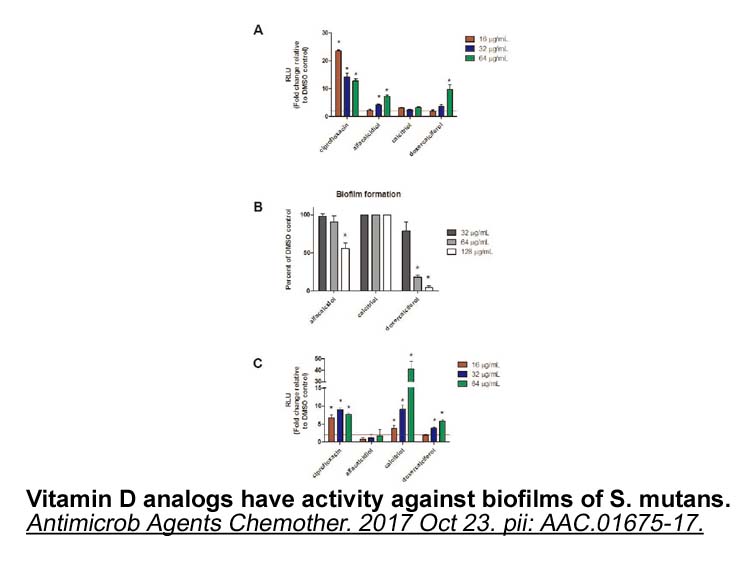
Unlike AK inhibition, the inhibition of ADA activities by EHNA had little effect on spinal reflex potentials, although EHNA did increase extracellular adenosine levels. One explanation for this discrepancy is that the adenosine increase seen herein was not sufficient to inhibit reflex potentials. In
-
Arylquin 1 receptor In this study we make the first
2023-04-12
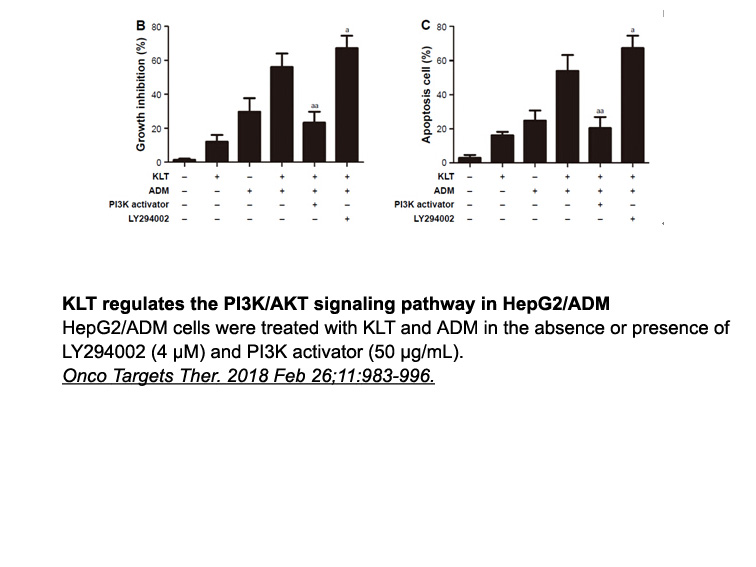
In this study, we make the first simultaneous recordings of Arylquin 1 receptor release in multiple brain regions at a temporal resolution less than 1 s. One of the most striking findings is that acetylcholine release has a remarkably similar temporal profile in the mPFC and dHPC, suggesting a coor
-
Materials and methods br Results br Discussion ATX
2023-04-12

Materials and methods Results Discussion ATX plays a significant role in initiating and sustaining tumor metastasis [43]. LPA stimulates cell proliferation, migration and survival by acting on its cognate G-protein-coupled receptors. Aberrant LPA production, receptor LDE225 Diphosphate and s
-
br Research perspective In vitro
2023-04-12
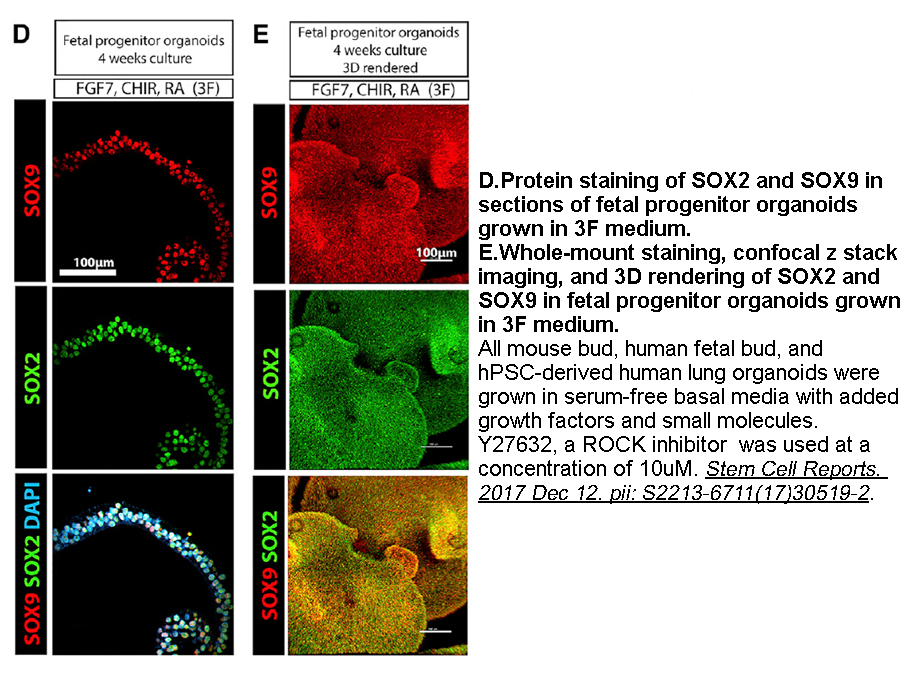
Research perspective In vitro and in vivo studies have demonstrated that increased LPA/ATX signaling contributes to cancer initiation and progression. Recent findings on the role of non-tumoral ATX in cancer progression and metastasis highlighted a new functional contribution for the microenviron
-
Zhang et al screened three thousand compounds library
2023-04-12

Zhang et al. screened three thousand compounds library and found two active 3,5,6-substituted indolin-2-one molecules. Further, they designed various derivatives of this scaffold and among them compound 23 from the series was found active with 1.8 μM on Aurora-B kinase luminescent assay [53]. Jeffe
-
br Materials and methods br
2023-04-12
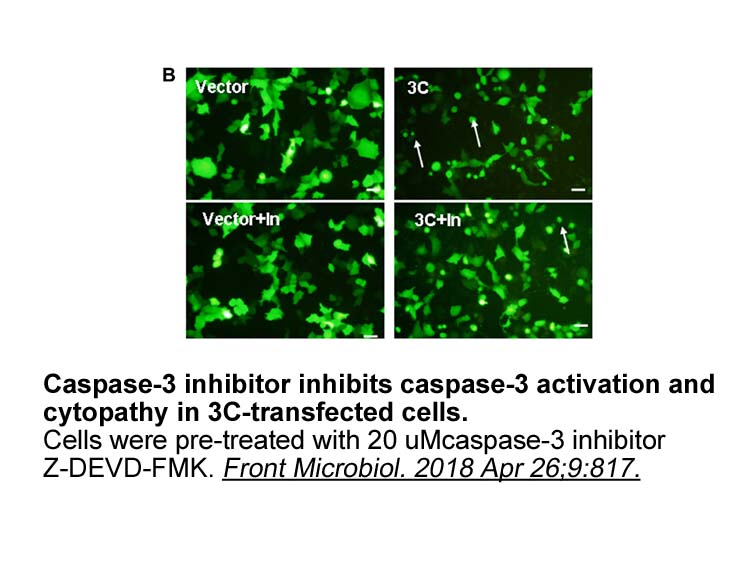
Materials and methods Results Discussion Many studies investigate the role of 12/15-LOX in cancer cell,23, 24, 25 however we here first found that host 12/15-LOX also plays an important role in metastasis progression. We have demonstrated that 12(S)-HETE increased melanoma cell adhesion to
-
Phosphatase Inhibitor Cocktail 1 (100X in DMSO) The neural c
2023-04-12

The neural circuitry involved in the production of the EOD, its modulations, and in the sensory processing of communication signals has been well characterized (Bell and Maler, 2005; Chacron et al., 2011; Krahe and Maler, 2014; reviewed in Metzner, 1999). Pacemaker cells located in the pacemaker nuc
-
The reduction of heterodimerization of KOR and
2023-04-12
The reduction of heterodimerization of KOR and APJ by both doses of apelin found in the present study may result in inducing protective effects of apelin on the myocardium imposed to high pressure in renovascular hypertension conditions. The finding that apelin in both doses reduced heterodimerizati
-
The initial demonstration of the
2023-04-12

The initial demonstration of the potential of MALDI-TOF MS for testing antifungal susceptibility of pathogenic fungi came from a proof-of-concept study by Marinach et al. [31] who monitored the changes of the proteome of C. albicans BIIB021 sale exposed to different concentrations of fluconazole. U
11161 records 28/745 page Previous Next First page 上5页 2627282930 下5页 Last page