Archives
- 2026-03
- 2026-02
- 2026-01
- 2025-12
- 2025-11
- 2025-10
- 2023-07
- 2023-06
- 2023-05
- 2023-04
- 2023-03
- 2023-02
- 2023-01
- 2022-12
- 2022-11
- 2022-10
- 2022-09
- 2022-08
- 2022-07
- 2022-06
- 2022-05
- 2022-04
- 2022-03
- 2022-02
- 2022-01
- 2021-12
- 2021-11
- 2021-10
- 2021-09
- 2021-08
- 2021-07
- 2021-06
- 2021-05
- 2021-04
- 2021-03
- 2021-02
- 2021-01
- 2020-12
- 2020-11
- 2020-10
- 2020-09
- 2020-08
- 2020-07
- 2020-06
- 2020-05
- 2020-04
- 2020-03
- 2020-02
- 2020-01
- 2019-12
- 2019-11
- 2019-10
- 2019-09
- 2019-08
- 2019-07
- 2019-06
- 2019-05
- 2019-04
- 2018-07
-
Interestingly when glucose is deleted in PCa cells
2021-12-06
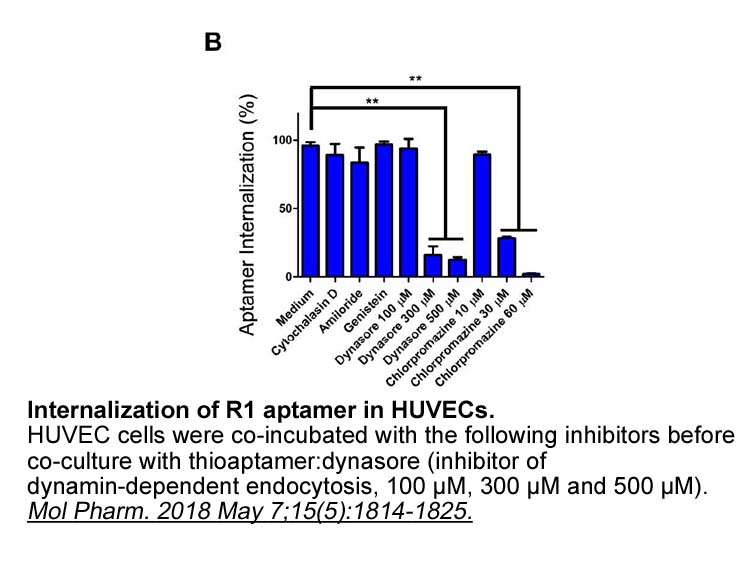
Interestingly, when glucose is deleted in PCa cells, GLUT1 is increased. Also, AR is almost entirely located in the nucleus, correlating with the increment in GLUT1 levels. These results are in agreement with those reported by Vaz et al. [16], They described an increase in GLUT1 after DHT stimulatio
-
Multiple mechanisms have been suggested by which
2021-12-06
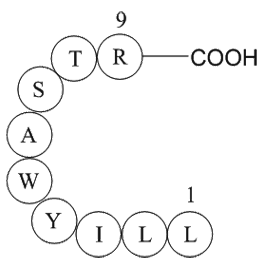
Multiple mechanisms have been suggested by which glucagon can increase energy expenditure although none have been conclusively proven to be responsible. Both enhanced gluconeogenesis and enhanced protein turnover secondary to hyperglucagonaemia have been suggested as the reason for the increased met
-
The usefulness of GIP R antagonism for the treatment
2021-12-06
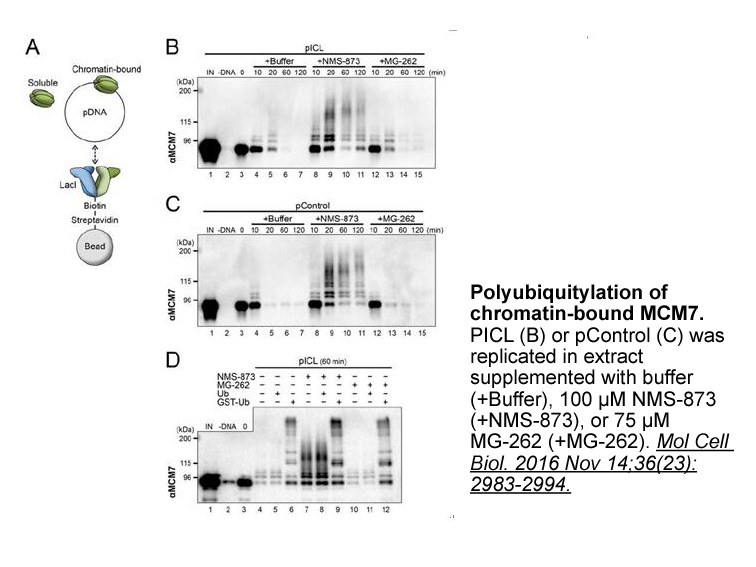
The usefulness of GIP-R antagonism for the treatment of obesity-diabetes has been revealed in numerous studies employing knockout or chemical blockade of GIP-R signalling.*88, 89, *90, 91, 92, 93, 94, 95, 96, *97 For example, sub-chronic daily administration of (Pro3)GIP to ob/ob mice results in sig
-
PK profiles of were evaluated and found
2021-12-04
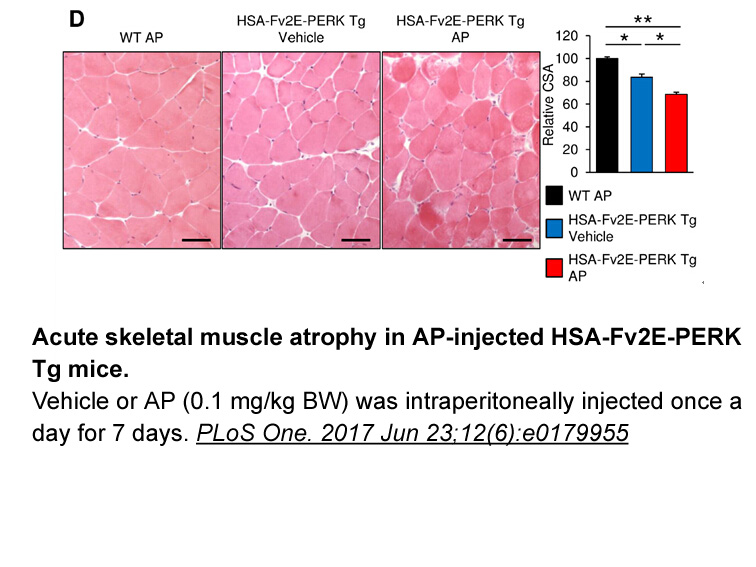
PK profiles of were evaluated and found to be improved compared to compound presumably due to interruption of β-oxidation. Low clearance and high plasma exposure were considered to be suitable profiles as an oral agent (). We first examined in vitro insulinotropic effects of compound from MIN6 cell
-
Current guidelines for thromboprophylaxis recommend the use
2021-12-04
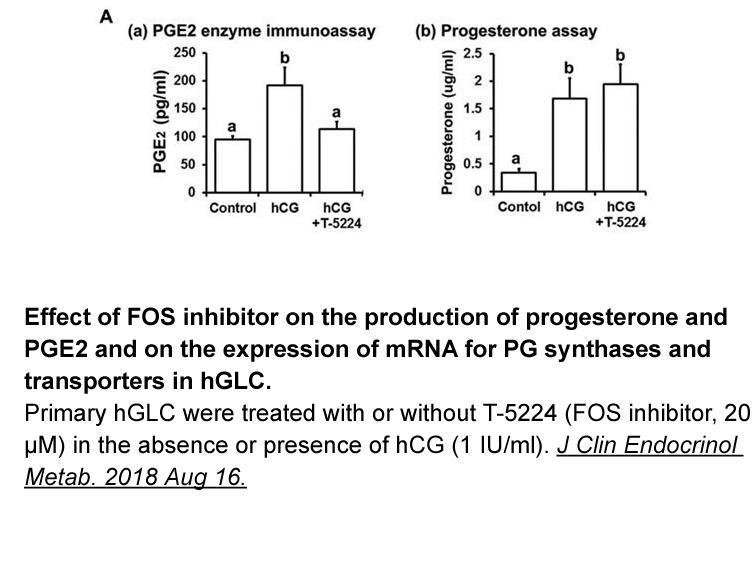
Current guidelines for thromboprophylaxis recommend the use of vitamin K antagonists (eg, warfarin), low-molecular-weight heparin (LMWH), or indirect inhibitor of factor Xa . Aspirin is also used for thromboprophylaxis in patients undergoing orthopedic procedures , . The efficacy and safety of LMWH
-
Drosophila is a well established model to investigate the mo
2021-12-04
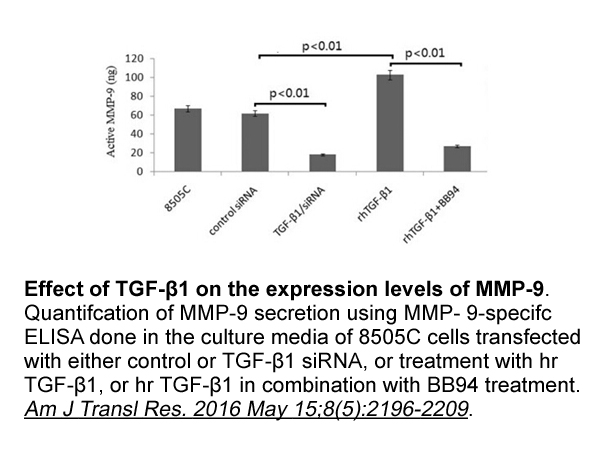
Drosophila is a well-established model to investigate the molecular and cellular defects underlying human neurodevelopmental disorders (Oortveld et al., 2013, van der Voet et al., 2014). Here, we establish Drosophila as a model for understanding the mechanisms linking mutations in KDM5 family protei
-
Successful immune escape will be then followed by
2021-12-04
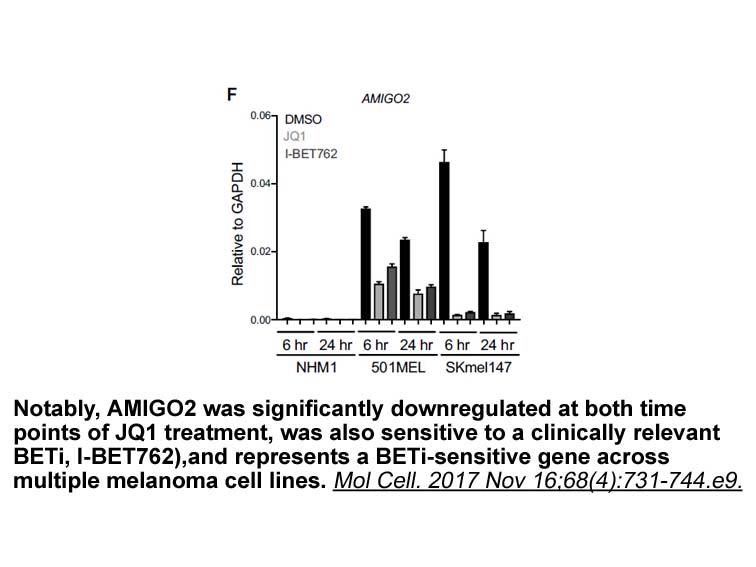
Successful immune escape will be then followed by cancer development, along with which immunocytes infiltration occurs. While some immunocytes are born to sweep away the malignancy, others aim to neutralize the lethality and sustain immune anergy and tolerance [59,60]. And the latter one is well rep
-
Mitochondrial binding by HK prevents mortality by inhibiting
2021-12-04
Mitochondrial binding by HK prevents mortality by inhibiting pro-apoptotic factor (Bcl-2 family)-mediated opening of the mitochondrial permeability transition pore (mPTP) (Arora and Pedersen, 1988, Calmettes et al., 2016, Kodde et al., 2007, Pedersen et al., 2002, Rosano, 2011, Schindler and Foley,
-
br Discussion The aminoglycoside antibiotic gentamicin
2021-12-04
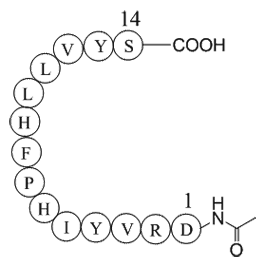
Discussion The aminoglycoside antibiotic gentamicin continues to be an important agent against life threatening infections. However, nephrotoxicity is a major complication of the gentamicin administration. Thus amelioration of nephrotoxicity would enhance its clinical use. Several approaches invo
-
Both GPR A and GPR are
2021-12-04
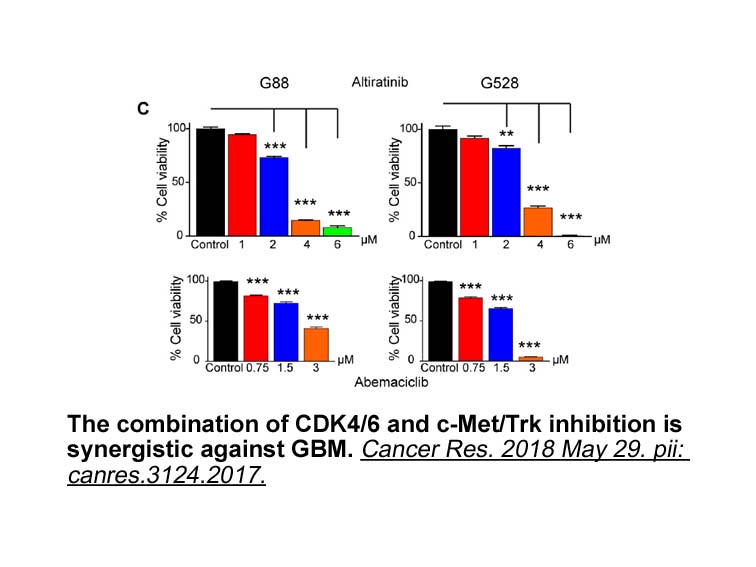
Both GPR109A and GPR81 are located on chromosome 12q24 [3] and mediate anti-lipolytic effects through coupling to Gi-type G proteins [17]. It is important to note that with the recent deorphanization of these receptors, there has been a recommendation to the International Union of Basic and Clinical
-
Evodiamine br Conclusion br Author contributions
2021-12-04
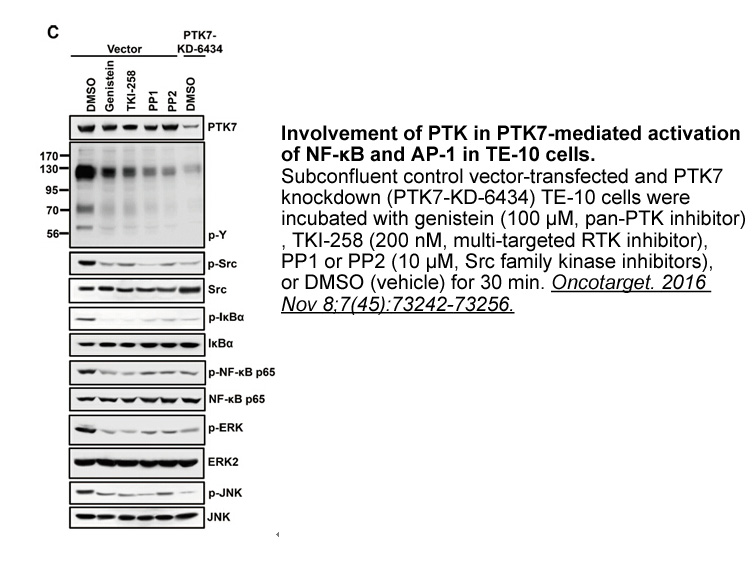
Conclusion Author contributions Competing interests Acknowledgments Introduction Reproductive performance is a major factor affecting profitability of dairy farms. The use of GnRH and prostaglandin F2α (PGF2α) in a coordinated fashion allows cows to be inseminated as a result of the u
-
br Materials and methods br Results br Discussion In
2021-12-03
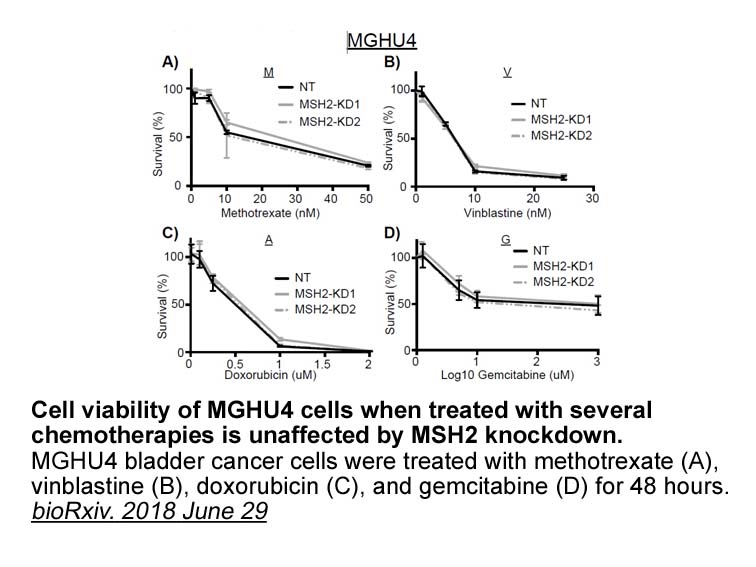
Materials and methods Results Discussion In nerve terminals, Na+-dependent glutamate transporters of the plasma membrane are responsible for the maintenance of low (non-toxic) extracellular glutamate concentrations and accomplish uptake of glutamate into the Lomustine of neurons and glial
-
cytokine receptor Historically a role for the prefrontal cor
2021-12-03
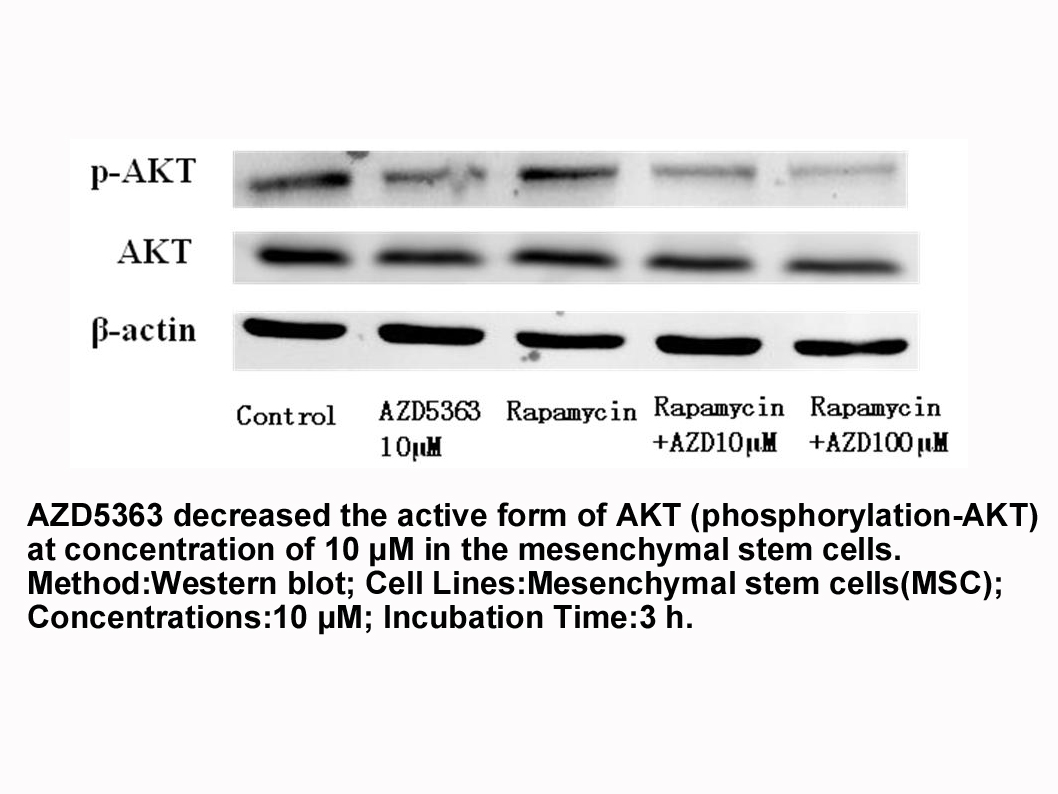
Historically, a role for the prefrontal cortex in spatial working memory has been repeatedly claimed (for review, see Kolb, 1984). Older studies using traditional, non-fibre-sparing lesions (e.g. aspiration lesions) often resulted in spatial alternation deficits. In contrast, more recent studies emp
-
Recent studies revealed that synthetic oligomeric A decrease
2021-12-03
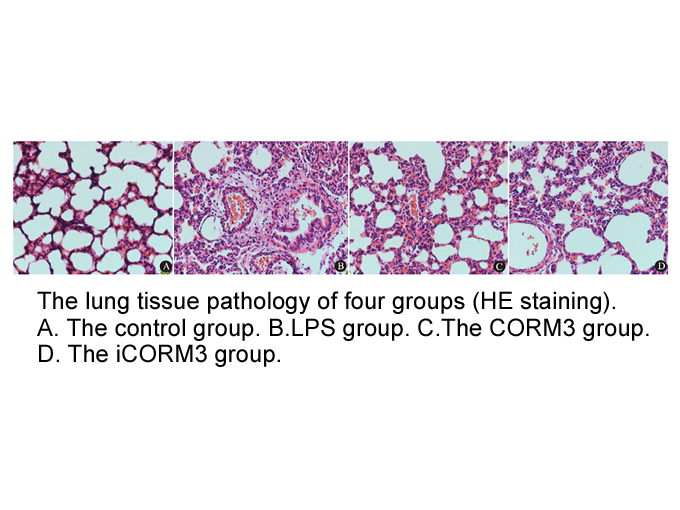
Recent studies revealed that synthetic oligomeric Aβ1-42 decreased GLT-1 expression and promoted mislocalization of GLT-1 from the cell surface of primary astrocytes, leading to glutamate dyshomeostasis in synapses (Abdul et al., 2009, Scimemi et al., 2013). To address the cause for reduction of ast
-
br Materials and methods br Results br Discussion
2021-12-03
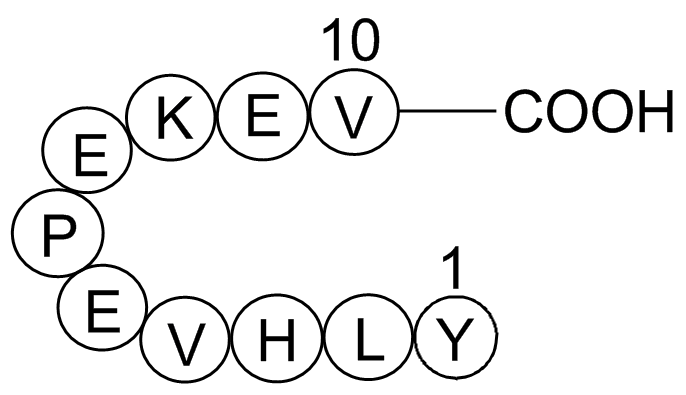
Materials and methods Results Discussion Importantly, we observed that treatment with DA3-CH could reduce the pathophysiological processes in the hippocampal CA1 area after SE. At present, the unimolecular dual incretin receptor agonist has been developed as a treatment for type 2 diabetes,
11167 records 243/745 page Previous Next First page 上5页 241242243244245 下5页 Last page